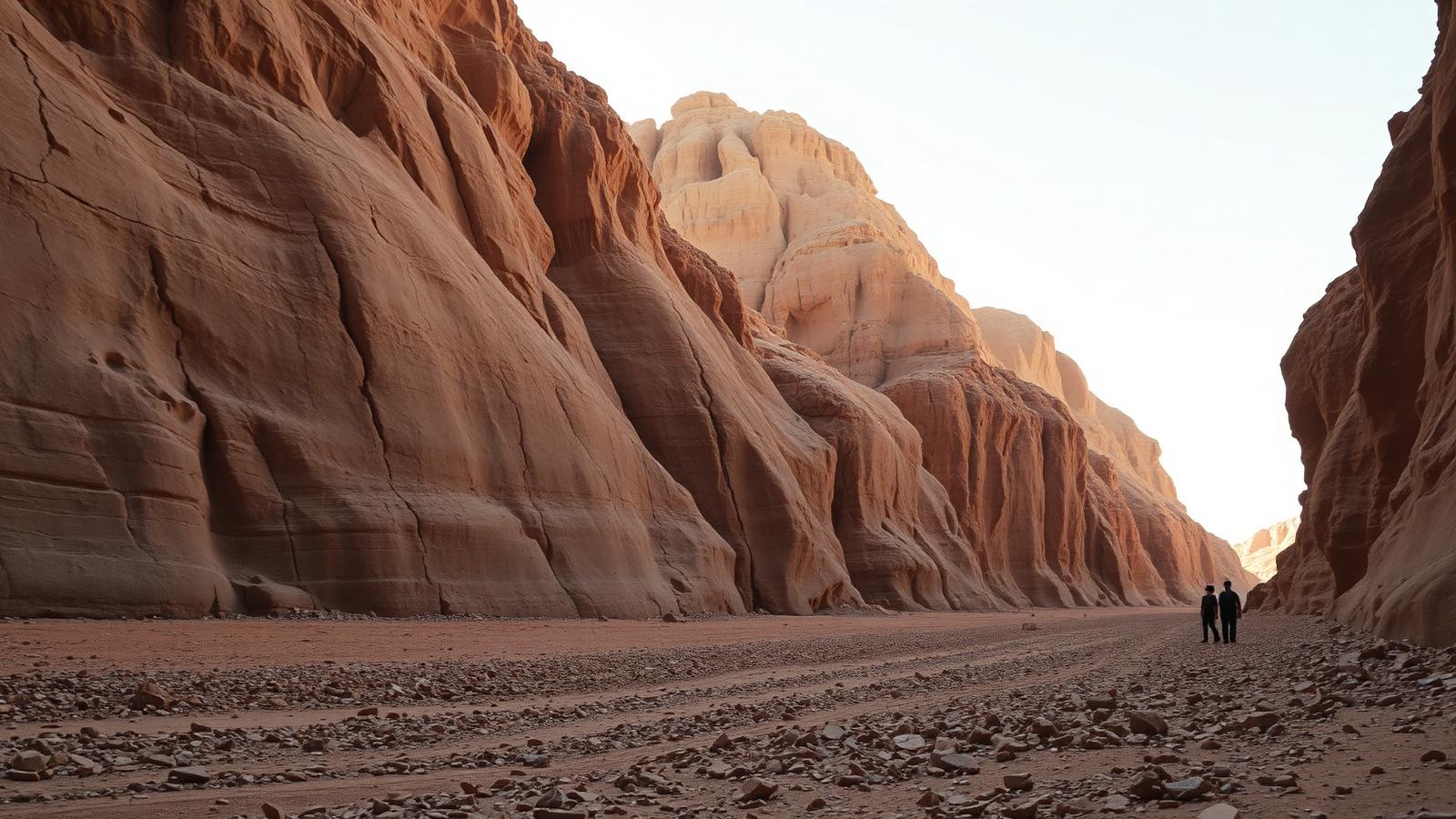
Wadi el-Gharbi
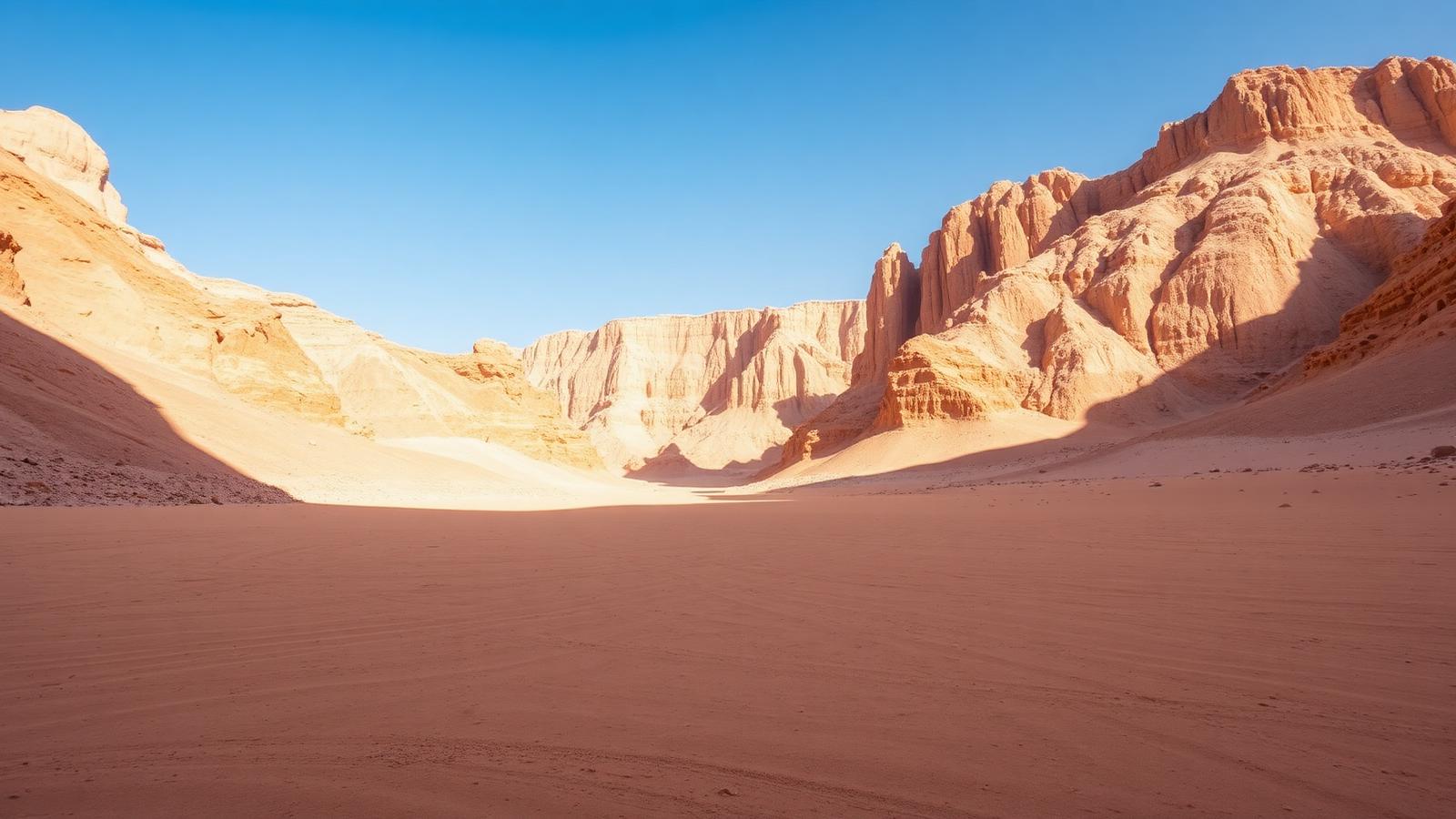
The largest of the wadis cut into the Theban hills behind Deir el-Bahari, running roughly north-west from the back of the Qurn massif. Access is from a track that branches off the road between Medinet Habu and the Ptolemaic Isis temple at Deir el-Shelwit.
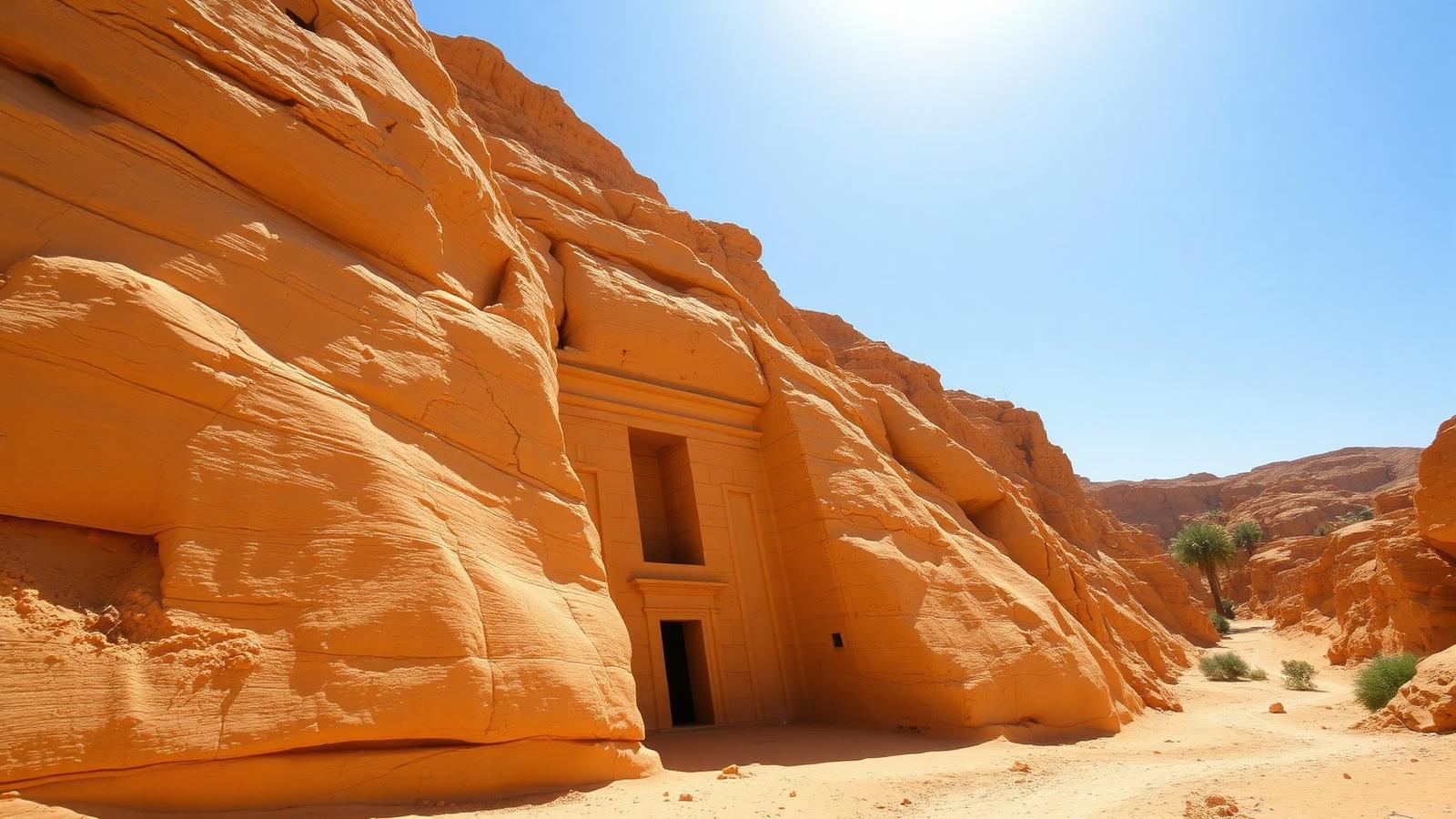
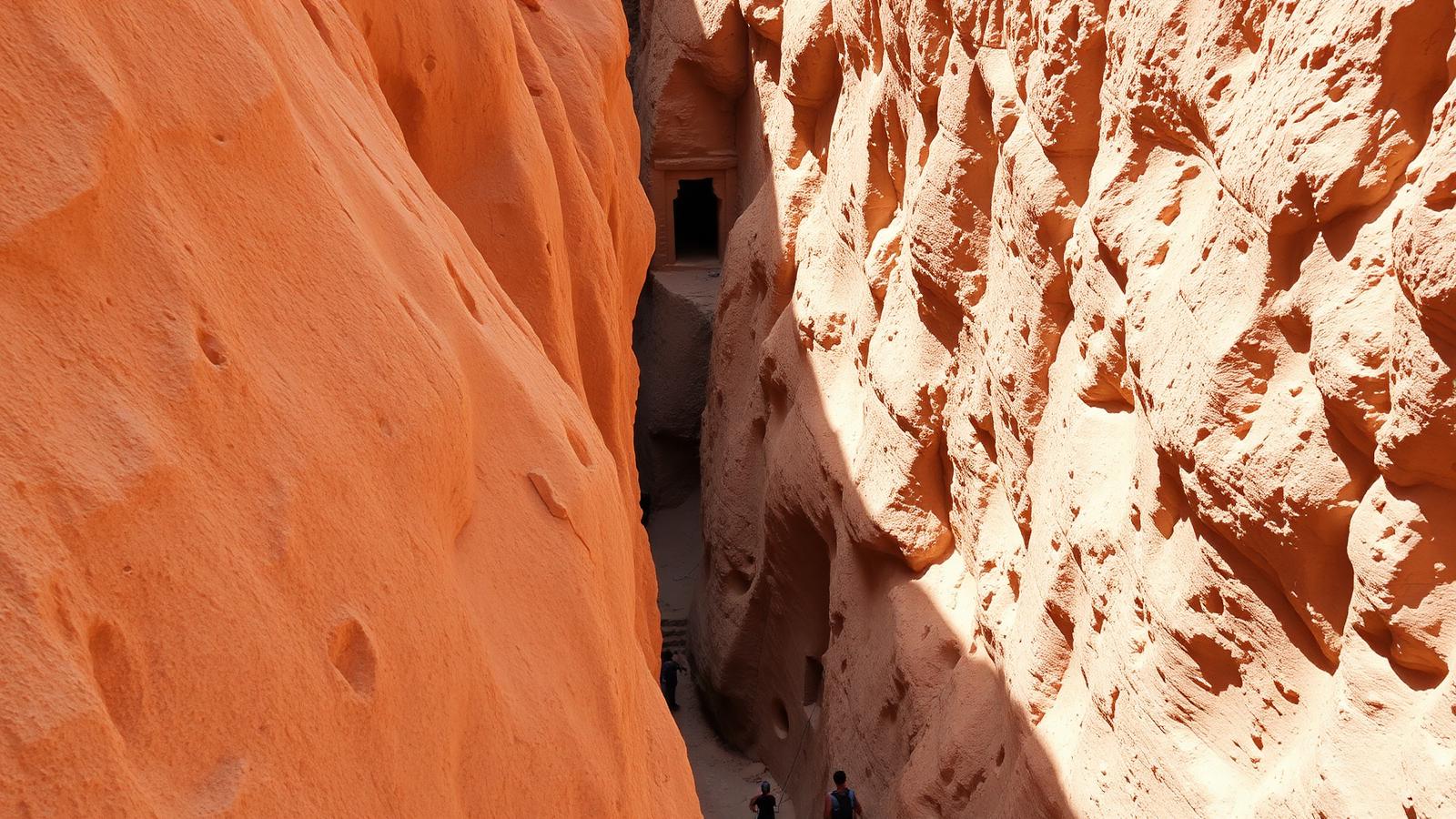
Bernard M. Adams (whose 'My Luxor' blog is one of the few personal records of the wadi) reached the floor of the wadi by motorbike. On his first visit he walked 1.86 km into the main wadi and branched left into a smaller side wadi with 'wonderful rock structures and towering cliffs with many cracks and ledges that could quite easily have hidden tombs or cliff tombs'. He saw no pottery shards washed out, which would normally signal a robbed tomb above.
On his second visit he was turned back at the entrance by an Inspectorate official and an archaeologist who told him the wadi was a working excavation site and required a permit. It has been worked, on and off, since the 1990s — first by John Romer's Theban Royal Tomb Project searching for the tomb of Amenhotep I, then by the New Kingdom Research Foundation under Piers Litherland.
The wadi is known to contain rock drawings (so far unpublished in detail) and small Coptic-era hermit cells reused from earlier tombs.